Home / Articles / What should be considered when designing a fire safety system
What should be considered when designing a fire safety system
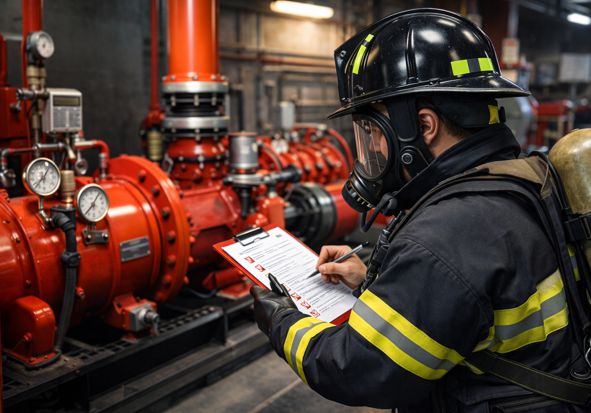
Designing a fire safety system is not a formal preparation of drawings, but a complex engineering process that determines the actual safety of a facility. Errors at the design stage almost always lead to problems during installation, operation, or inspections by regulatory authorities, so it is necessary to consider not only the regulations but also the actual operating conditions of the building.
The first thing analyzed during design is the facility’s intended use and the fire hazard classification of the premises. Warehouses containing flammable materials require one type of solution, server rooms and electrical control rooms require another, and production facilities require a third. This determines the choice of fire suppression type, sensor density, pumping station capacity, and system operating algorithms. The designer must understand the technological processes, the facility’s operating mode, the number of people, their movement routes, and possible fire scenarios.
The second important factor is the building’s architectural and layout features. Ceiling height, the presence of partitions, mezzanines, shelving, suspended ceilings, raised floors, ventilation shafts, and cable runs directly impact the placement of detectors, sprinklers, smoke dampers, and other system components. There are no universal designs—each system is tailored to the specific building.
The condition of utility systems is equally important. When designing a water-based fire suppression system, it is necessary to consider the availability and characteristics of water sources, network pressure, and the possibility of installing a pumping station and storage tanks. If the facility is unheated, dry pipelines or special technical solutions must be considered to prevent water freezing. For gas fire suppression, it is important to correctly calculate the room volume, airtightness, gas release time, and occupant safety requirements.
Special attention is paid to the integration of fire protection systems with each other and with other building utilities. A fire alarm system must interact correctly with the notification and evacuation control system, ventilation, smoke extraction, elevators, automatic doors, and access control. In the event of a fire, ventilation must be shut off, elevators must descend to the ground floor, doors must unlock, and smoke extraction systems must operate in the required mode. All these algorithms are established at the design stage.
The design must strictly comply with current regulatory documents: Technical Regulations on Fire Safety Requirements, codes of practice (SP), and GOST standards. It is important not only to formally follow the standards, but to correctly interpret them for a specific facility. This is why high-quality design is carried out by specialists with practical experience in the installation and operation of fire protection systems.
The economic factor is also taken into account, but it should not be the determining factor. The cheapest design often proves ineffective or requires costly modifications. It is much more important to find a balance between reliability, regulatory correctness, and reasonable cost of solutions.
Ultimately, a properly designed fire protection system is the foundation for a safe facility, proper installation, trouble-free operation, and successful inspections. This is why design should be entrusted to professionals who can consider all technical, regulatory, and operational aspects.
18.01.2026
344 👁