Water fire suppression system maintenance
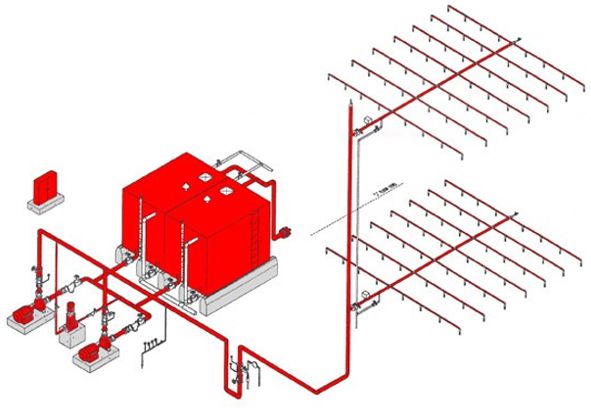
A water fire suppression system is a key element of fire protection for buildings and structures. It is designed to automatically or manually suppress a fire by delivering water through sprinklers or deluge systems. However, the reliability of such a system directly depends not only on proper design and installation but also on regular professional maintenance.
Why is water fire suppression system maintenance necessary?
A water fire suppression system spends most of its time in standby mode. While it may appear functional, a lack of maintenance can lead to hidden defects, such as pressure drops, clogged pipes, or malfunctioning pumps or valves. During a fire, such problems can lead to partial or complete system failure, posing a direct threat to human life and property.
Regular maintenance allows for prompt detection of faults, maintains the system in constant readiness, and ensures its proper operation in the event of a fire.
What is included in water fire suppression system maintenance?
Comprehensive maintenance is performed in accordance with established regulations and includes:
- Visual inspection of pipelines, sprinklers, and fittings
- Checking the condition of sprinklers and drenchers
- Monitoring system pressure and pressure gauge functionality
- Inspecting the pumping station and automatic pump starter
- Testing shut-off and control valves
- Checking the system alarm
- Monitoring water supply sources and reserve tanks
- Detecting leaks, corrosion, and mechanical damage
- Maintaining technical documentation and maintenance logs.
Work is performed without interrupting the facility’s operations or with minimal downtime.
Features of Water Fire Suppression Operation
Water fire suppression systems are used in a variety of environments, from office buildings and shopping centers to warehouses and industrial facilities. Their condition is affected by temperature, humidity, water quality, and the building’s operating conditions. During the winter, special attention is paid to protecting pipelines from freezing, and in areas with aggressive environments, to corrosion control.
It’s also important to consider that individual system components have a limited service life and require scheduled replacement, even if they appear to be in good working order.
Why is a maintenance contract beneficial?
A maintenance contract ensures a systematic approach to fire safety. The facility receives regular scheduled inspections, prompt response to malfunctions, and transparent monitoring of the system’s technical condition. This reduces the risk of emergency situations, simplifies inspections, and allows for proactive planning of operating costs.